// Book comparison
The Design of Everyday Things vs The Righteous Mind
Which should you read? A side-by-side comparison of The Design of Everyday Things by Don Norman and The Righteous Mind by Jonathan Haidt.
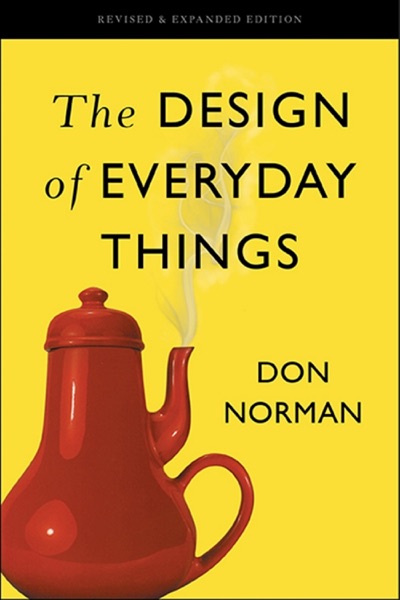
The Design of Everyday Things
by Don Norman
★ 4.9/5
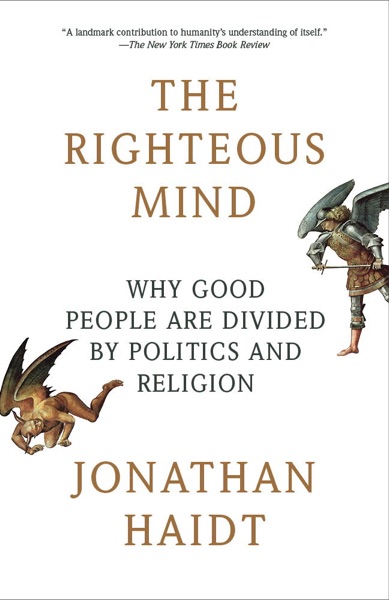
The Righteous Mind
by Jonathan Haidt
★ 4.9/5
At a glance
| The Design of Everyday Things | The Righteous Mind | |
|---|---|---|
| Rating | ★ 4.9/5 | ★ 4.9/5 |
| Pages | 368 | 448 |
| Reading time | ~9.2 h | ~11.2 h |
| Published | 1988 | 2012 |
| Author | Don Norman | Jonathan Haidt |
| Category | Marketing & Sales | Strategy & Management |
| Publisher | Basic Books | Vintage |
Choose The Design of Everyday Things if…
- → You're interested in marketing & sales.
- → You want the higher-rated book (4.9/5).
- → You prefer a shorter read (~9.2 hours).
Choose The Righteous Mind if…
- → You're interested in strategy & management.
- → You want the more recent perspective (2012).
Key takeaways — The Design of Everyday Things
- ✓ Prioritize Discoverability and Feedback, ensuring that every element of your product clearly signals its function and provides immediate confirmation of user actions.
- ✓ Align your product’s design with the User’s Mental Model, recognizing that people interact with technology based on past experiences and intuitive analogies.
- ✓ Utilize Constraints as a Strategic Shield, intentionally limiting user options to prevent catastrophic errors and to guide the customer toward the most efficient path of success.
Key takeaways — The Righteous Mind
- ✓ Apply Moral Foundations Theory to your organizational culture, ensuring that your firm’s mission resonates with all six foundational human values to maximize employee buy-in.
- ✓ Address the Elephant (Intuition) First in your strategic communication, recognizing that people will only accept your logical arguments (the Rider) if they feel an emotional alignment with your goal.
- ✓ Foster Hive-Level Cooperation within your team through shared symbols and common enemies (like market problems), utilizing the human biological drive for collective moral action.
The verdict
If you want the higher-rated, shorter read, start with The Design of Everyday Things. If you specifically need strategy & management, The Righteous Mind is the better fit. Both summaries are free — no signup required.
❓ FAQ
Is The Design of Everyday Things or The Righteous Mind better? +
The Design of Everyday Things has the higher reader rating (4.9/5 vs 4.9/5), but "better" depends on your goal. The Design of Everyday Things focuses on marketing & sales, while The Righteous Mind focuses on strategy & management. See the verdict below.
Which is shorter, The Design of Everyday Things or The Righteous Mind? +
The Design of Everyday Things is shorter (368 pages, ~9.2 hours) compared to The Righteous Mind (448 pages, ~11.2 hours).
Should I read The Design of Everyday Things or The Righteous Mind first? +
If you want the quicker, higher-rated read, start with The Design of Everyday Things. Otherwise read whichever matches your current goal — both summaries are free on BookHubs.