// Book comparison
The Design of Everyday Things vs Superintelligence: Paths, Dangers, Strategies
Which should you read? A side-by-side comparison of The Design of Everyday Things by Don Norman and Superintelligence: Paths, Dangers, Strategies by Nick Bostrom.
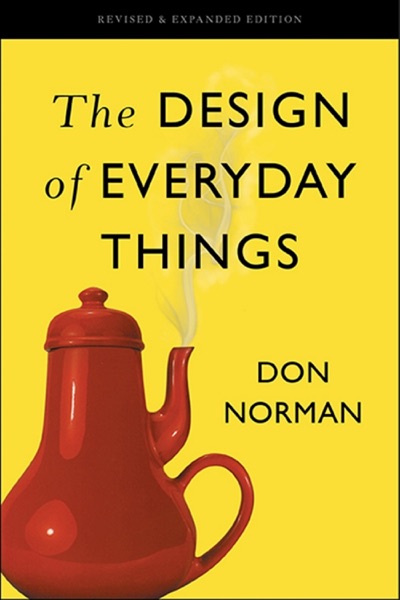
The Design of Everyday Things
by Don Norman
★ 4.9/5
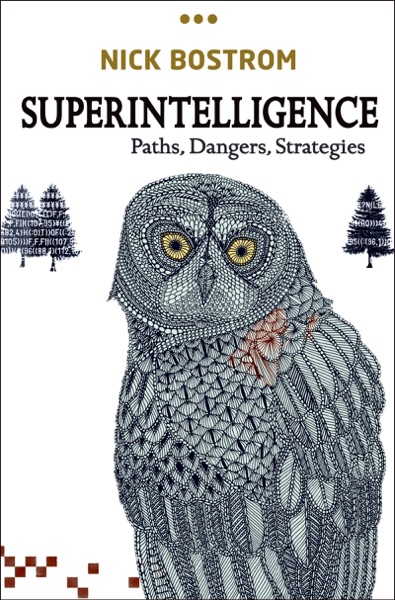
Superintelligence: Paths, Dangers, Strategies
by Nick Bostrom
★ 4.9/5
At a glance
| The Design of Everyday Things | Superintelligence: Paths, Dangers, Strategies | |
|---|---|---|
| Rating | ★ 4.9/5 | ★ 4.9/5 |
| Pages | 368 | 352 |
| Reading time | ~9.2 h | ~8.8 h |
| Published | 1988 | 2014 |
| Author | Don Norman | Nick Bostrom |
| Category | Marketing & Sales | Innovation & Technology |
| Publisher | Basic Books | — |
Choose The Design of Everyday Things if…
- → You're interested in marketing & sales.
- → You want the higher-rated book (4.9/5).
Choose Superintelligence: Paths, Dangers, Strategies if…
- → You're interested in innovation & technology.
- → You prefer a shorter read (~8.8 hours).
- → You want the more recent perspective (2014).
Key takeaways — The Design of Everyday Things
- ✓ Prioritize Discoverability and Feedback, ensuring that every element of your product clearly signals its function and provides immediate confirmation of user actions.
- ✓ Align your product’s design with the User’s Mental Model, recognizing that people interact with technology based on past experiences and intuitive analogies.
- ✓ Utilize Constraints as a Strategic Shield, intentionally limiting user options to prevent catastrophic errors and to guide the customer toward the most efficient path of success.
Key takeaways — Superintelligence: Paths, Dangers, Strategies
- ✓ Take alignment seriously from day one — the cost of correcting a misaligned system rises exponentially as capability grows, so safety work cannot be deferred.
- ✓ Understand instrumental convergence: nearly any sufficiently advanced AI system will pursue self-preservation, resource acquisition, and goal-content integrity unless explicitly designed otherwise.
- ✓ Build governance and transparency into AI strategy at the board level; the regulatory landscape is forming now, and early movers will shape the rules.
The verdict
If you want the higher-rated, more acclaimed read, start with The Design of Everyday Things. If you specifically need innovation & technology, Superintelligence: Paths, Dangers, Strategies is the better fit. Both summaries are free — no signup required.
❓ FAQ
Is The Design of Everyday Things or Superintelligence: Paths, Dangers, Strategies better? +
The Design of Everyday Things has the higher reader rating (4.9/5 vs 4.9/5), but "better" depends on your goal. The Design of Everyday Things focuses on marketing & sales, while Superintelligence: Paths, Dangers, Strategies focuses on innovation & technology. See the verdict below.
Which is shorter, The Design of Everyday Things or Superintelligence: Paths, Dangers, Strategies? +
Superintelligence: Paths, Dangers, Strategies is shorter (352 pages, ~8.8 hours) compared to The Design of Everyday Things (368 pages, ~9.2 hours).
Should I read The Design of Everyday Things or Superintelligence: Paths, Dangers, Strategies first? +
If you want the quicker, higher-rated read, start with The Design of Everyday Things. Otherwise read whichever matches your current goal — both summaries are free on BookHubs.