// Book comparison
7 Habits of Highly Effective People vs The Design of Everyday Things
Which should you read? A side-by-side comparison of 7 Habits of Highly Effective People by Stephen Covey and The Design of Everyday Things by Don Norman.
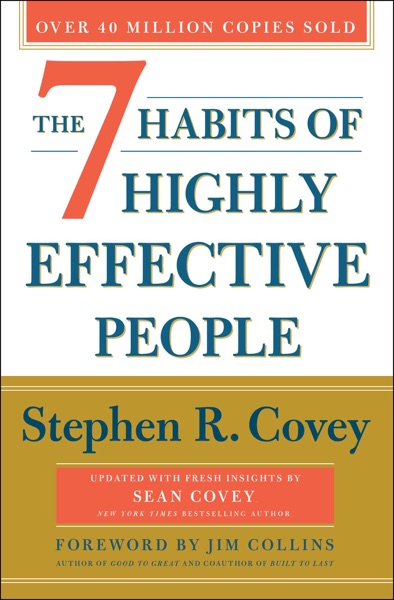
7 Habits of Highly Effective People
by Stephen Covey
★ 4.9/5
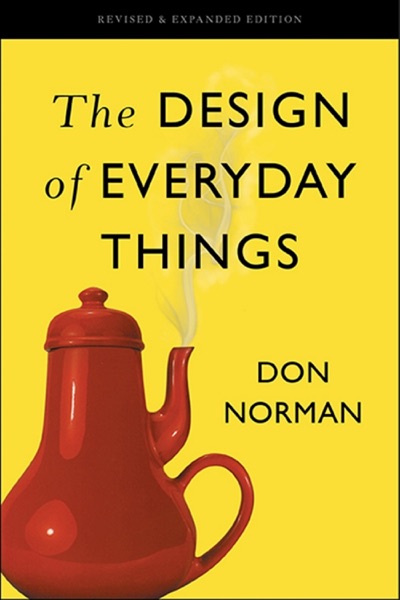
The Design of Everyday Things
by Don Norman
★ 4.9/5
At a glance
| 7 Habits of Highly Effective People | The Design of Everyday Things | |
|---|---|---|
| Rating | ★ 4.9/5 | ★ 4.9/5 |
| Pages | 381 | 368 |
| Reading time | ~9.5 h | ~9.2 h |
| Published | 1989 | 1988 |
| Author | Stephen Covey | Don Norman |
| Category | Strategy & Management | Marketing & Sales |
| Publisher | Free Press | Basic Books |
Choose 7 Habits of Highly Effective People if…
- → You're interested in strategy & management.
- → You want the higher-rated book (4.9/5).
- → You want the more recent perspective (1989).
Choose The Design of Everyday Things if…
- → You're interested in marketing & sales.
- → You prefer a shorter read (~9.2 hours).
Key takeaways — 7 Habits of Highly Effective People
- ✓ Magtuon ng iyong enerhiya sa iyong Circle of Influence—ang mga bagay na tunay mong makokontrol—upang mapataas ang iyong personal na epektibidad at kakayahan sa pagiging proactive na lider.
- ✓ Isabuhay ang prinsipyo ng Begin with the End in Mind sa pamamagitan ng pagtukoy ng pangunahing misyon ng iyong organisasyon bago gumawa ng mga taktikal na hakbang, upang ang lahat ng gawain ay nakatutok sa pangmatagalang layunin.
- ✓ Isabuhay ang Synergy sa pagpapahalaga sa pagkakaiba-iba ng iyong mga kasamahan, gamit ang kanilang mga natatanging lakas upang makabuo ng mga solusyong mas mahusay kaysa sa magagawa ng isang indibidwal mag-isa.
Key takeaways — The Design of Everyday Things
- ✓ Bigyang-diin ang Discoverability at Feedback, upang malinaw na maipakita ng bawat elemento ng produkto ang tungkulin nito at agad na magbibigay ng kumpirmasyon sa aksyon ng gumagamit.
- ✓ I-align ang disenyo ng iyong produkto sa Modelong Mental ng User, na kinikilala na nakikipag-ugnayan ang tao sa teknolohiya batay sa kanilang mga nakaraang karanasan at intuitibong analogies.
- ✓ Gamitin ang Constraints bilang Estratehikong Panangga, na sadyang nililimitahan ang mga pagpipilian ng user upang maiwasan ang malubhang pagkakamali at gabayan ang customer sa pinakamabisang landas tungo sa tagumpay.
The verdict
If you want the higher-rated, more acclaimed read, start with 7 Habits of Highly Effective People. If you specifically need marketing & sales, The Design of Everyday Things is the better fit. Both summaries are free — no signup required.
❓ FAQ
Is 7 Habits of Highly Effective People or The Design of Everyday Things better? +
7 Habits of Highly Effective People has the higher reader rating (4.9/5 vs 4.9/5), but "better" depends on your goal. 7 Habits of Highly Effective People focuses on strategy & management, while The Design of Everyday Things focuses on marketing & sales. See the verdict below.
Which is shorter, 7 Habits of Highly Effective People or The Design of Everyday Things? +
The Design of Everyday Things is shorter (368 pages, ~9.2 hours) compared to 7 Habits of Highly Effective People (381 pages, ~9.5 hours).
Should I read 7 Habits of Highly Effective People or The Design of Everyday Things first? +
If you want the quicker, higher-rated read, start with 7 Habits of Highly Effective People. Otherwise read whichever matches your current goal — both summaries are free on BookHubs.