// Book comparison
Abundance: อนาคตที่ดีกว่าที่คุณคิด vs The Design of Everyday Things
Which should you read? A side-by-side comparison of Abundance: อนาคตที่ดีกว่าที่คุณคิด by Peter Diamandis, Steven Kotler and The Design of Everyday Things by Don Norman.
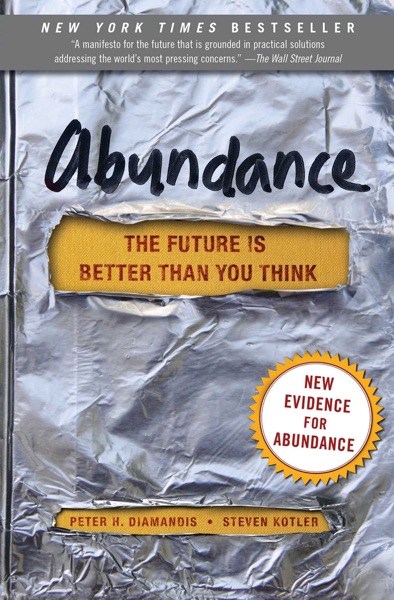
Abundance: อนาคตที่ดีกว่าที่คุณคิด
by Peter Diamandis, Steven Kotler
★ 4.8/5
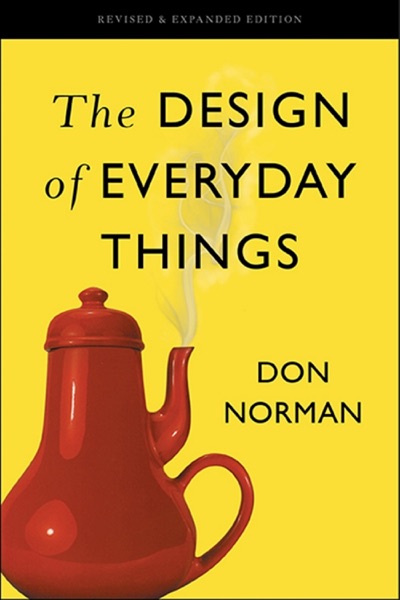
The Design of Everyday Things
by Don Norman
★ 4.9/5
At a glance
| Abundance: อนาคตที่ดีกว่าที่คุณคิด | The Design of Everyday Things | |
|---|---|---|
| Rating | ★ 4.8/5 | ★ 4.9/5 |
| Pages | 400 | 368 |
| Reading time | ~10.0 h | ~9.2 h |
| Published | 2012 | 1988 |
| Author | Peter Diamandis, Steven Kotler | Don Norman |
| Category | นวัตกรรมและเทคโนโลยี | การตลาดและการขาย |
| Publisher | Free Press | Basic Books |
Choose Abundance: อนาคตที่ดีกว่าที่คุณคิด if…
- → You're interested in นวัตกรรมและเทคโนโลยี.
- → You want the more recent perspective (2012).
Choose The Design of Everyday Things if…
- → You're interested in การตลาดและการขาย.
- → You want the higher-rated book (4.9/5).
- → You prefer a shorter read (~9.2 hours).
Key takeaways — Abundance: อนาคตที่ดีกว่าที่คุณคิด
- ✓ วางแผนกลยุทธ์โดยใช้ เส้นโค้งเทคโนโลยีแบบเอ็กซ์โพเนนเชียล ไม่ใช่แบบเชิงเส้น เพราะต้นทุนของพลังงาน ปัญญาประดิษฐ์ และการคำนวณกำลังลดลงเร็วกว่าที่คนส่วนใหญ่คาดคิด
- ✓ มองหา โอกาสจากตลาดที่ยังไม่ถูกพัฒนา — ประชากรหลายพันล้านคนกำลังจะกลายเป็นผู้บริโภคที่เชื่อมต่ออินเทอร์เน็ตในทศวรรษหน้า
- ✓ ใช้พลังของ นักประดิษฐ์เอกชนและการแข่งขันรางวัล เพื่อเร่งนวัตกรรม โครงสร้างเหล่านี้พิสูจน์แล้วว่าให้ผลตอบแทนสูงกว่าการวิจัยและพัฒนาแบบเดิม
Key takeaways — The Design of Everyday Things
- ✓ ให้ความสำคัญกับ Discoverability and Feedback เพื่อให้แต่ละองค์ประกอบของผลิตภัณฑ์ชัดเจนและแสดงฟังก์ชันอย่างเข้าใจง่าย รวมถึงการยืนยันผลลัพธ์ของผู้ใช้อย่างรวดเร็ว
- ✓ ออกแบบผลิตภัณฑ์ให้สอดคล้องกับ โมเดลจิตใจของผู้ใช้ โดยพิจารณาถึงประสบการณ์ในอดีตและเปรียบเทียบด้วยวิธีที่เป็นธรรมชาติ
- ✓ นำ Constraints เป็นเกราะทางกลยุทธ์ มาใช้โดยตั้งใจจำกัดทางเลือกของผู้ใช้เพื่อป้องกันความผิดพลาดที่ร้ายแรง และชี้นำลูกค้าไปสู่เส้นทางที่มีประสิทธิภาพมากที่สุด
The verdict
If you want the higher-rated, shorter read, start with The Design of Everyday Things. If you specifically need การตลาดและการขาย, Abundance: อนาคตที่ดีกว่าที่คุณคิด is the better fit. Both summaries are free — no signup required.
❓ FAQ
Is Abundance: อนาคตที่ดีกว่าที่คุณคิด or The Design of Everyday Things better? +
The Design of Everyday Things has the higher reader rating (4.9/5 vs 4.8/5), but "better" depends on your goal. Abundance: อนาคตที่ดีกว่าที่คุณคิด focuses on นวัตกรรมและเทคโนโลยี, while The Design of Everyday Things focuses on การตลาดและการขาย. See the verdict below.
Which is shorter, Abundance: อนาคตที่ดีกว่าที่คุณคิด or The Design of Everyday Things? +
The Design of Everyday Things is shorter (368 pages, ~9.2 hours) compared to Abundance: อนาคตที่ดีกว่าที่คุณคิด (400 pages, ~10.0 hours).
Should I read Abundance: อนาคตที่ดีกว่าที่คุณคิด or The Design of Everyday Things first? +
If you want the quicker, higher-rated read, start with The Design of Everyday Things. Otherwise read whichever matches your current goal — both summaries are free on BookHubs.