// Book comparison
The Design of Everyday Things vs Thinking in Systems
Which should you read? A side-by-side comparison of The Design of Everyday Things by Don Norman and Thinking in Systems by Donella Meadows.
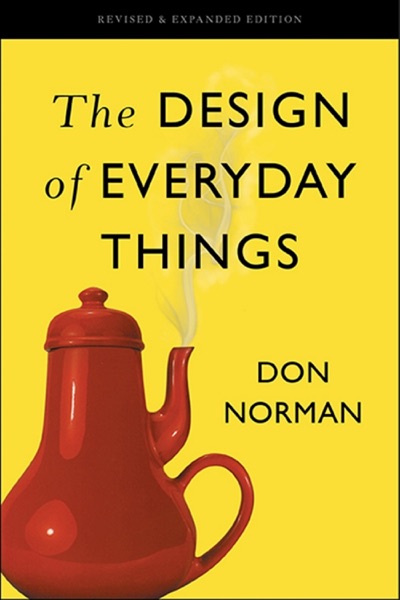
The Design of Everyday Things
by Don Norman
★ 4.9/5
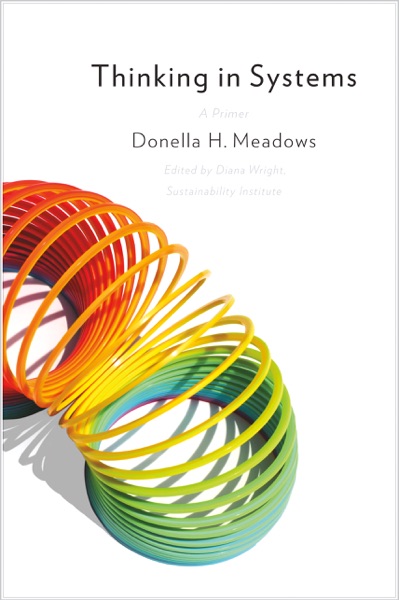
Thinking in Systems
by Donella Meadows
★ 4.9/5
At a glance
| The Design of Everyday Things | Thinking in Systems | |
|---|---|---|
| Rating | ★ 4.9/5 | ★ 4.9/5 |
| Pages | 368 | 240 |
| Reading time | ~9.2 h | ~6.0 h |
| Published | 1988 | 2008 |
| Author | Don Norman | Donella Meadows |
| Category | Marketing & Sales | Team & HR Management |
| Publisher | Basic Books | Chelsea Green Publishing |
Choose The Design of Everyday Things if…
- → You're interested in marketing & sales.
- → You want the higher-rated book (4.9/5).
Choose Thinking in Systems if…
- → You're interested in team & hr management.
- → You prefer a shorter read (~6.0 hours).
- → You want the more recent perspective (2008).
Key takeaways — The Design of Everyday Things
- ✓ Prioritize Discoverability and Feedback, ensuring that every element of your product clearly signals its function and provides immediate confirmation of user actions.
- ✓ Align your product’s design with the User’s Mental Model, recognizing that people interact with technology based on past experiences and intuitive analogies.
- ✓ Utilize Constraints as a Strategic Shield, intentionally limiting user options to prevent catastrophic errors and to guide the customer toward the most efficient path of success.
Key takeaways — Thinking in Systems
- ✓ Identify the Leverage Points in your organization, focusing your efforts on changing the goals and rules of the system rather than just adjusting its parameters.
- ✓ Understand Feedback Delays, recognizing that there is often a significant time gap between an action and its systemic result, which can lead to overshooting or collapse.
- ✓ Prioritize Systemic Resilience over Narrow Efficiency, ensuring your firm has the 'Buffers' and diversity required to survive unpredictable external shocks.
The verdict
If you want the higher-rated, more acclaimed read, start with The Design of Everyday Things. If you specifically need team & hr management, Thinking in Systems is the better fit. Both summaries are free — no signup required.
❓ FAQ
Is The Design of Everyday Things or Thinking in Systems better? +
The Design of Everyday Things has the higher reader rating (4.9/5 vs 4.9/5), but "better" depends on your goal. The Design of Everyday Things focuses on marketing & sales, while Thinking in Systems focuses on team & hr management. See the verdict below.
Which is shorter, The Design of Everyday Things or Thinking in Systems? +
Thinking in Systems is shorter (240 pages, ~6.0 hours) compared to The Design of Everyday Things (368 pages, ~9.2 hours).
Should I read The Design of Everyday Things or Thinking in Systems first? +
If you want the quicker, higher-rated read, start with The Design of Everyday Things. Otherwise read whichever matches your current goal — both summaries are free on BookHubs.