// Book comparison
The Design of Everyday Things vs Thinking in Systems
Which should you read? A side-by-side comparison of The Design of Everyday Things by Don Norman and Thinking in Systems by Donella Meadows.
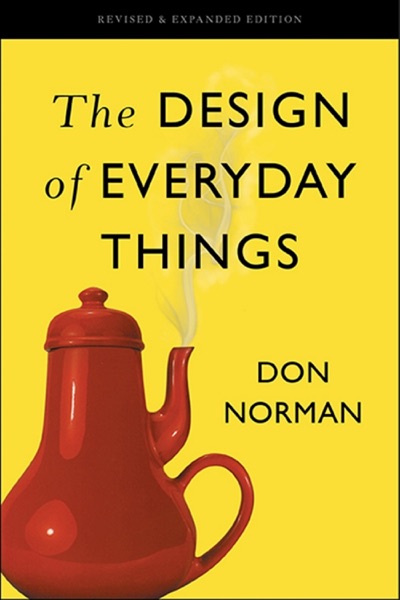
The Design of Everyday Things
by Don Norman
★ 4.9/5
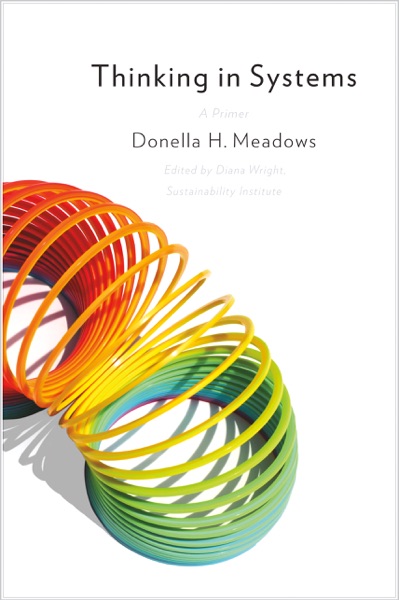
Thinking in Systems
by Donella Meadows
★ 4.9/5
At a glance
| The Design of Everyday Things | Thinking in Systems | |
|---|---|---|
| Rating | ★ 4.9/5 | ★ 4.9/5 |
| Pages | 368 | 240 |
| Reading time | ~9.2 h | ~6.0 h |
| Published | 1988 | 2008 |
| Author | Don Norman | Donella Meadows |
| Category | Pemasaran & Jualan | Pengurusan Pasukan & HR |
| Publisher | Basic Books | Chelsea Green Publishing |
Choose The Design of Everyday Things if…
- → You're interested in pemasaran & jualan.
- → You want the higher-rated book (4.9/5).
Choose Thinking in Systems if…
- → You're interested in pengurusan pasukan & hr.
- → You prefer a shorter read (~6.0 hours).
- → You want the more recent perspective (2008).
Key takeaways — The Design of Everyday Things
- ✓ Utamakan Discoverability dan Feedback, pastikan setiap elemen produk anda memberi isyarat secara jelas tentang fungsi dan mengesahkan tindakan pengguna secara segera.
- ✓ Sesuaikan reka bentuk produk anda dengan Model Mental Pengguna, sedar bahawa manusia berinteraksi dengan teknologi berdasarkan pengalaman lalu dan analogi intuitif.
- ✓ Gunakan Constraints sebagai Perisai Strategik, secara sengaja mengehadkan pilihan pengguna untuk mengelakkan kesilapan besar dan membimbing pelanggan ke jalan kejayaan yang paling efisien.
Key takeaways — Thinking in Systems
- ✓ Kenalpasti Titik Tumpuan dalam organisasi anda, fokuskan usaha pada mengubah matlamat dan peraturan sistem berbanding sekadar menyesuaikan parameter-parameter sistem.
- ✓ Fahami Kelambatan Maklum Balas, sedar bahawa sering terdapat jarak masa yang ketara antara tindakan dan hasil sistem, yang boleh menyebabkan overshooting atau keruntuhan.
- ✓ Utamakan Ketahanan Sistem berbanding Kecekapan Terhad, memastikan syarikat mempunyai 'Penampan' dan kepelbagaian yang diperlukan untuk bertahan daripada kejutan luar yang tidak dapat diramalkan.
The verdict
If you want the higher-rated, more acclaimed read, start with The Design of Everyday Things. If you specifically need pengurusan pasukan & hr, Thinking in Systems is the better fit. Both summaries are free — no signup required.
❓ FAQ
Is The Design of Everyday Things or Thinking in Systems better? +
The Design of Everyday Things has the higher reader rating (4.9/5 vs 4.9/5), but "better" depends on your goal. The Design of Everyday Things focuses on pemasaran & jualan, while Thinking in Systems focuses on pengurusan pasukan & hr. See the verdict below.
Which is shorter, The Design of Everyday Things or Thinking in Systems? +
Thinking in Systems is shorter (240 pages, ~6.0 hours) compared to The Design of Everyday Things (368 pages, ~9.2 hours).
Should I read The Design of Everyday Things or Thinking in Systems first? +
If you want the quicker, higher-rated read, start with The Design of Everyday Things. Otherwise read whichever matches your current goal — both summaries are free on BookHubs.