// Book comparison
The Design of Everyday Things vs Thinking in Systems
Which should you read? A side-by-side comparison of The Design of Everyday Things by Don Norman and Thinking in Systems by Donella Meadows.
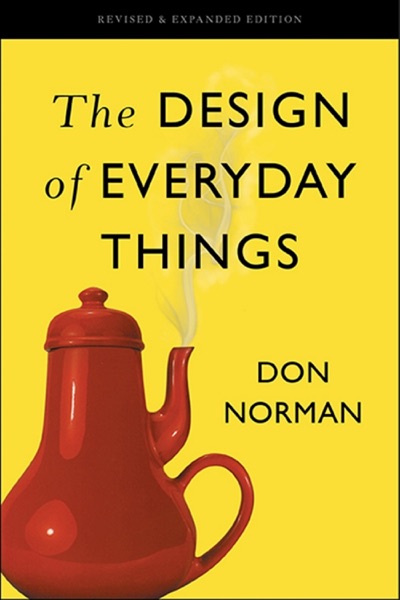
The Design of Everyday Things
by Don Norman
★ 4.9/5
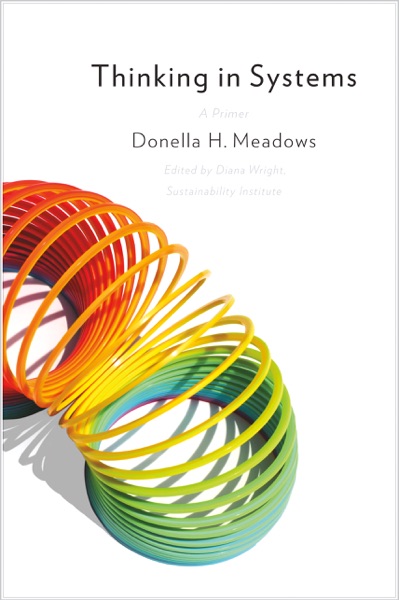
Thinking in Systems
by Donella Meadows
★ 4.9/5
At a glance
| The Design of Everyday Things | Thinking in Systems | |
|---|---|---|
| Rating | ★ 4.9/5 | ★ 4.9/5 |
| Pages | 368 | 240 |
| Reading time | ~9.2 h | ~6.0 h |
| Published | 1988 | 2008 |
| Author | Don Norman | Donella Meadows |
| Category | การตลาดและการขาย | การจัดการทีมและ HR |
| Publisher | Basic Books | Chelsea Green Publishing |
Choose The Design of Everyday Things if…
- → You're interested in การตลาดและการขาย.
- → You want the higher-rated book (4.9/5).
Choose Thinking in Systems if…
- → You're interested in การจัดการทีมและ hr.
- → You prefer a shorter read (~6.0 hours).
- → You want the more recent perspective (2008).
Key takeaways — The Design of Everyday Things
- ✓ ให้ความสำคัญกับ Discoverability and Feedback เพื่อให้แต่ละองค์ประกอบของผลิตภัณฑ์ชัดเจนและแสดงฟังก์ชันอย่างเข้าใจง่าย รวมถึงการยืนยันผลลัพธ์ของผู้ใช้อย่างรวดเร็ว
- ✓ ออกแบบผลิตภัณฑ์ให้สอดคล้องกับ โมเดลจิตใจของผู้ใช้ โดยพิจารณาถึงประสบการณ์ในอดีตและเปรียบเทียบด้วยวิธีที่เป็นธรรมชาติ
- ✓ นำ Constraints เป็นเกราะทางกลยุทธ์ มาใช้โดยตั้งใจจำกัดทางเลือกของผู้ใช้เพื่อป้องกันความผิดพลาดที่ร้ายแรง และชี้นำลูกค้าไปสู่เส้นทางที่มีประสิทธิภาพมากที่สุด
Key takeaways — Thinking in Systems
- ✓ ระบุ จุดอาศัย ในองค์กรของคุณ โดยเน้นเปลี่ยนแปลงเป้าหมายและกฎเกณฑ์ของระบบ แทนที่จะปรับเพียงพารามิเตอร์เท่านั้น
- ✓ เข้าใจ ความล่าช้าของข้อมูลย้อนกลับ ซึ่งมักเกิดขึ้นหลังจากการดำเนินการและผลลัพธ์ของระบบอย่างช้าๆ ซึ่งอาจนำไปสู่การเกินเป้าหมายหรือการล่มสลายของระบบ
- ✓ ให้ความสำคัญกับ ความยืดหยุ่นเชิงระบบมากขึ้นกว่าแค่ความมีประสิทธิภาพแคบๆ เพื่อให้ธุรกิจของคุณมี ' Buffer' และความหลากหลายที่จำเป็นในการรับมือกับแรงกระแทกจากภายนอกที่ไม่คาดคิด
The verdict
If you want the higher-rated, more acclaimed read, start with The Design of Everyday Things. If you specifically need การจัดการทีมและ hr, Thinking in Systems is the better fit. Both summaries are free — no signup required.
❓ FAQ
Is The Design of Everyday Things or Thinking in Systems better? +
The Design of Everyday Things has the higher reader rating (4.9/5 vs 4.9/5), but "better" depends on your goal. The Design of Everyday Things focuses on การตลาดและการขาย, while Thinking in Systems focuses on การจัดการทีมและ hr. See the verdict below.
Which is shorter, The Design of Everyday Things or Thinking in Systems? +
Thinking in Systems is shorter (240 pages, ~6.0 hours) compared to The Design of Everyday Things (368 pages, ~9.2 hours).
Should I read The Design of Everyday Things or Thinking in Systems first? +
If you want the quicker, higher-rated read, start with The Design of Everyday Things. Otherwise read whichever matches your current goal — both summaries are free on BookHubs.